
-
 Vendor:Mediware
Mediware single -shaver - 100 pieces | Pack (100 pieces)
Unit price: ¥20¥20 / pieceRegular price ¥1,992 JPY ¥1,992 JPYSale price ¥1,992 JPY ¥1,992 JPY Regular priceUnit price ¥0 per¥1,992 JPY ¥1,992 JPYplus shipping
Delivery
-
 Vendor:Hartmann
Hartmann FolioDrape® Protect cover towels
Features: Mixed material
Unit price: ¥123¥123 / pieceRegular price From ¥4,291 JPY From ¥4,291 JPYSale price From ¥4,291 JPY From ¥4,291 JPY Regular priceUnit price ¥0 per¥4,291 JPY ¥4,291 JPYplus shipping
Delivery
-
 Vendor:Hartmann
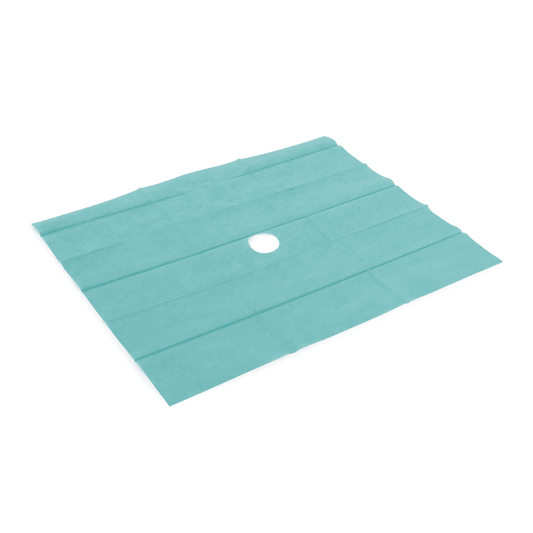
Hartmann FolioDrape® perforated towels
Features: Mixed material
Unit price: ¥122¥122 / pieceRegular price From ¥7,924 JPY From ¥7,924 JPYSale price From ¥7,924 JPY From ¥7,924 JPY Regular priceUnit price ¥0 per¥7,924 JPY ¥7,924 JPYplus shipping
Size: 50 x 60 cm - Ø 5 cm, 45 x 75 cm - Ø 7 cm
Delivery
-
 Up to 1% offVendor:Hartmann
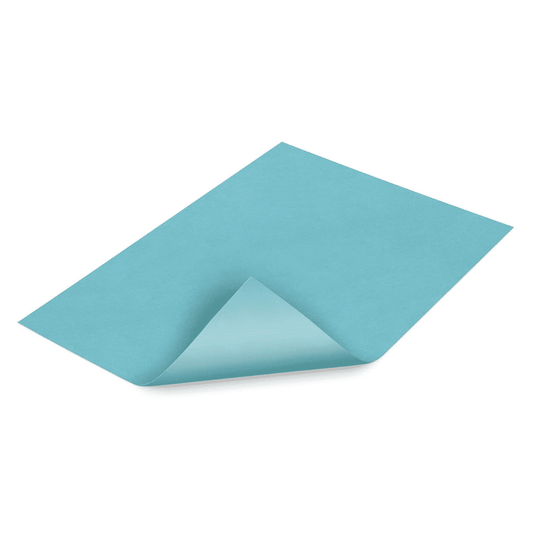
Hartmann FolioDrape® cover towels, self -adhesive 50x50 cm - 90 pieces | Pack (90 pieces)
Features: Mixed material
Low stockDiscount −1 %Unit price: ¥117¥117 / pieceRegular price ¥10,561 JPY ¥10,561 JPYSale price ¥10,561 JPY ¥10,561 JPY Regular priceUnit price ¥0 per¥10,668 JPY ¥10,668 JPYwas
¥10,668¥10,668you save ¥107¥107plus shipping
Delivery




Surgical Supplies for Preparation and Draping in the Operating Room
Surgical supplies include consumables needed in connection with surgical procedures for patient preparation and sterile draping of the surgical field—ranging from disposable razors for preoperative hair removal to sterile drapes with or without a cutout. These supplies are used in operating rooms, emergency departments, hospital wards, and medical offices—anywhere a sterile environment must be created for a procedure.
The products required vary significantly depending on the stage of the procedure: Before the actual procedure, hair removal is often the primary focus, while during the procedure itself, sterile drapes protect the patient and the surrounding area from moisture and germs. This allows you to select the right product for each preparatory step.
Features and Benefits of Surgical Supplies
Surgical supplies are designed to meet the requirements of a sterile or, at the very least, hygienically controlled surgical environment. Depending on the product, the material, sterility, and intended use vary significantly.
Typical characteristics of surgical supplies:
- Depending on the product, sterile and individually packaged or non-sterile for preparatory steps
- For drapes, impervious to moisture and germs
- Abrasion-resistant and extremely low-lint for use in the surgical field
- Depending on the model, features a cutout or self-adhesive strip for securing
- Disposable razors with a triple-ground blade for low-irritation hair removal
- Available in package sizes to meet ongoing practice and hospital needs
Which of these features apply in each specific case depends heavily on the product in question. A disposable razor is usually sufficient for preparing the patient, whereas a sterile drape with the appropriate cut is specifically required for covering the surgical field.
Which surgical supply products are suitable for which applications?
The Mediware disposable razor is suitable for hair removal prior to physical examinations and procedures. According to the product specifications, it features a triple-ground blade for low-irritation hair removal and a replaceable blade guard.
The Hartmann Foliodrape® perforated drape is suitable for sterile draping of patients in the operating room, the emergency room, on the ward, or in the doctor’s office. According to the product information, it is sterile, individually packaged, and, thanks to its perforated cutout, specifically designed to drape around the surgical site.
The Hartmann Foliodrape® self-adhesive drape is ideal for quickly securing and precisely defining the incision area. According to the product description, it consists of a high-performance two-layer material with a securely adhering adhesive strip.
What should you look for when purchasing surgical supplies?
A key selection criterion is the specific preparation step. A non-sterile, single-use razor is sufficient for hair removal prior to a procedure, whereas a sterile, individually packaged drape is absolutely necessary for covering the surgical field itself.
The cut of the drape also plays a role: A perforated drape is suitable when only a limited area around the incision needs to be exposed, while a self-adhesive drape provides additional protection against slipping during the procedure thanks to its adhesive strip.
When it comes to package size, it’s worth considering expected usage: For ongoing surgical and practice operations, larger package sizes are usually more cost-effective, while smaller packages are sufficient for occasional needs.
Razors, perforated drapes, or self-adhesive drapes—which surgical supply is right for you?
Disposable razors are used for preparation before the actual procedure and are intended to make the skin in the treatment area accessible for subsequent disinfection and draping.
Perforated drapes are designed for the precise, sterile exposure of a narrowly defined surgical site and are therefore particularly suitable for procedures in which only a small area of the skin is to remain visible.
Self-adhesive drapes serve a slightly different purpose: They adhere directly to the skin via an adhesive strip, thereby precisely marking the boundaries of the incision site. Which option is appropriate therefore depends on the specific procedure and the desired method of use—no single type is inherently better suited than another.
Usage and Guidelines for Surgical Supplies
According to the manufacturer’s instructions, disposable razors are used before disinfecting the surgical site and are discarded after a single use, as they are designated as disposable and non-sterile.
According to the manufacturer’s instructions, sterile drapes are removed from their sterile individual packaging only immediately before the procedure and placed or adhered to the prepared skin area in accordance with the applicable hygiene guidelines.
For storage, shelf life, and the proper handling of sterile individual packages, the respective manufacturer’s instructions and the internal hygiene guidelines of the respective facility generally apply.
Complementary Products for Surgical Needs
Surgical drapes complement surgical supplies with additional drapes and drape sets for various surgical sites. Surgical gloves provide appropriate sterile hand protection for the surgical team, while skin disinfection products ensure the necessary reduction of microorganisms on the skin prior to hair removal and draping. Together, these items allow for comprehensive preparation for sterile procedures.


