
-

 Vendor:Meditrade GmbH
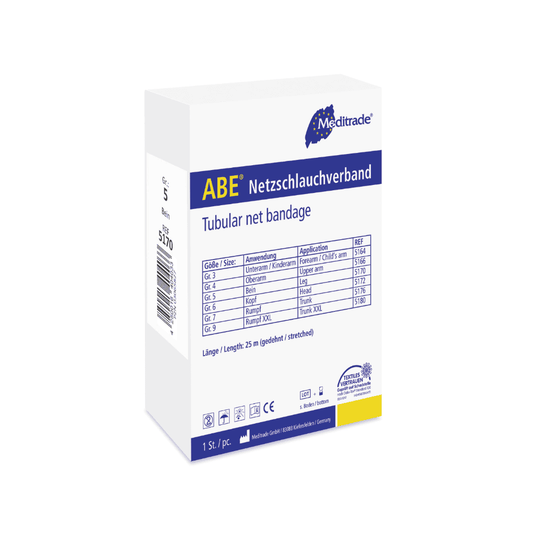
Meditrade ABE® network hose bandage different sizes
Regular price From ¥1,497 JPYSale price From ¥1,497 JPY Regular priceUnit price ¥109 per m¥1,497 JPY -

 Vendor:MaiMed GmbH
MaiMed-porefix sterile quick wound dressing
Regular price From ¥367 JPYSale price From ¥367 JPY Regular priceUnit price per¥367 JPY -
 Vendor:Paul Hartmann AG
Hartmann ideal bandage, individually packed in foil
Regular price From ¥706 JPYSale price From ¥706 JPY Regular priceUnit price per¥706 JPY -

 Vendor:AMPri Handelsgesellschaft mbH
Ampri Joy2protect roll pavement 2.5 cm x 4.5 m, different colors | Box (2 rolls)
Regular price From ¥551 JPYSale price From ¥551 JPY Regular priceUnit price per¥551 JPY -

 Vendor:Paul Hartmann AG
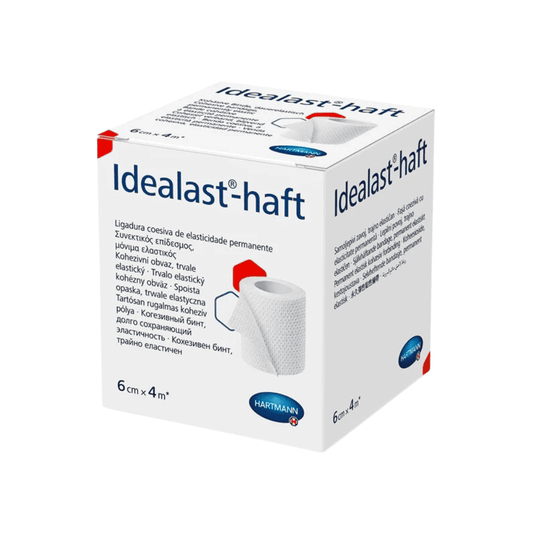
Hartmann Idealast® custody, permanent elastic ideal bandage
Regular price From ¥616 JPYSale price From ¥616 JPY Regular priceUnit price ¥62 per m¥616 JPY -

 Vendor:BSN Medical GmbH
Elastomull Haft Color, cohesive elastic fixation bandage, 4 m (stretched), 10 cm, blue
Regular price From ¥406 JPYSale price From ¥406 JPY Regular priceUnit price per¥406 JPY -

 Vendor:Paul Hartmann AG
Hartmann Hydrofilm® Roll, transparent film association
Regular price From ¥1,569 JPYSale price From ¥1,569 JPY Regular priceUnit price ¥460 per m¥1,569 JPY -
 Up to 2% offVendor:Holthaus Medical GmbH & Co. KG
HOLTHAUS YPSIPLAST® fingertips, elastic - 50 pieces
Regular price From ¥1,379 JPYSale price From ¥1,379 JPY Regular priceUnit price per¥1,379 JPY -
 Up to 12% offVendor:Holthaus Medical GmbH & Co. KG
HOLTHAUS YPSIFLEX® Painting Elastic Mullbinde, 4 m
Regular price From ¥265 JPYSale price From ¥265 JPY Regular priceUnit price ¥66 per m¥299 JPY -

 Vendor:BSN Medical GmbH
Elastomull Haft, cohesive elastic fixation bandage
Regular price From ¥348 JPYSale price From ¥348 JPY Regular priceUnit price ¥77 per m¥348 JPY -

 Up to 56% offVendor:Paul Hartmann AG
Hartmann ideal bandages, without association clips, stretched 5 m long, individually packaged
Regular price From ¥450 JPYSale price From ¥450 JPY Regular priceUnit price per¥544 JPY -
 Up to 53% offVendor:Paul Hartmann AG
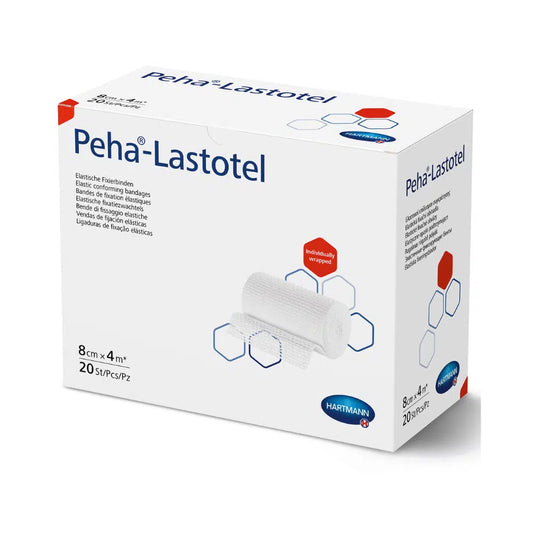
Hartmann Peha® -Lastotel® fixing sord, individually packed - 20 pieces
Regular price From ¥63 JPYSale price From ¥63 JPY Regular priceUnit price ¥29 per m¥133 JPY -

 Vendor:Orkla Wound Care AB
Cederroth Soft Foam binde beige 3x450cm | Pack (1 piece)
Regular price ¥918 JPYSale price ¥918 JPY Regular priceUnit price per¥918 JPY -

 Vendor:Paul Hartmann AG
Hartmann Peha -Crepp® Super Elastic fixing bandage - 20 pieces
Regular price From ¥1,683 JPYSale price From ¥1,683 JPY Regular priceUnit price ¥487 per m¥1,683 JPY -
 Vendor:Paul Hartmann AG
Hartmann Peha® -Lastotel® Fixing bandage - 20 pieces
Regular price From ¥1,176 JPYSale price From ¥1,176 JPY Regular priceUnit price per¥1,176 JPY








Wound dressings for professional wound care, medical practices, nursing, and first aid
Wound dressings are used wherever wounds need to be covered, protected, secured, or treated. These products are used in doctors’ offices, nursing facilities, hospitals, emergency medical services, workplaces, schools, and at home. Depending on the situation, wound dressings serve to securely hold a wound dressing in place, apply pressure, stabilize body parts, or support sterile first aid.
In wound care, choosing the right product is crucial, as not every dressing is suitable for every application. Fixation bandages are primarily used to secure wound dressings, while first-aid kits are particularly well-suited for rapid treatment in first-aid situations. Other products, such as zinc adhesive bandages or tubular bandages, are typically used for specialized applications. The key factors are the intended use, material, size, elasticity, and the desired level of fixation.
Features and Benefits of Wound Dressings
Wound dressings support structured and hygienic care of injuries by covering and securing wound dressings, padding materials, or affected body areas. They are available in various designs and can be adapted to different requirements in medical, nursing, or workplace settings.
A good wound dressing should be easy to apply, comfortable to wear, and, depending on the application, provide sufficient support without causing unnecessary restriction. Especially in professional settings, it is also important that dressings are within easy reach, stored in an organized manner, and available in appropriate packaging units.
Typical advantages of wound dressings include:
- secure coverage and fixation
- versatile use
- suitable for various body areas
- easy to use in everyday life
- available in different sizes
- Suitable for medical practices, nursing, and first aid
- Can be combined with other dressing materials
In practical use, wound dressings help to securely hold dressing materials in place and adapt care to the specific situation. This makes them an important component of a well-equipped wound care kit.
Which wound dressings are suitable for which applications?
Adhesive fixation bandages are particularly well-suited for securing wound dressings, compresses, or padding. The Meditrade ABE® Last® Haft fixation bandage is ideal when a dressing needs to stay securely in place without requiring a lot of additional fastening material. It can be used in medical practices, nursing care, or first-aid kits whenever flexible fixation is needed.
For heavier-duty or specialized dressing applications, zinc paste bandages are a suitable option. The Hartmann Varolast® Plus zinc paste bandage is primarily chosen when a zinc paste-containing dressing is required. Such products are used specifically according to their intended application and professional guidelines and should be selected to suit the respective care situation.
Sterile dressing kits are suitable for rapid initial care. The Holthaus Medical YPSISAVE Dressing Kit, sterile, is practical for first-aid kits, workplaces, schools, vehicles, or emergency kits. It combines dressing materials for immediate care and is therefore helpful when quick and hygienic action is required.
What should you look for when buying wound dressings?
When purchasing wound dressings, the intended use should be considered first. Different characteristics are important for daily use in a medical practice or nursing setting than for a first-aid kit or occasional use at home. The key factor is whether the dressing is primarily intended to secure, cover, support, or be readily available for initial treatment.
Size and width also play an important role. Narrow bandages are better suited for smaller body parts such as fingers, hands, or feet, while wider versions may be more appropriate for larger areas or areas subject to greater stress. Elasticity affects how well the bandage conforms to joints or movable parts of the body.
For sterile products, ensure the packaging is undamaged and check the manufacturer’s instructions regarding shelf life. For professional wound care, it’s also advisable to keep various types of bandages in stock in appropriate quantities. Packaging units, shelf life, and ease of retrieval can also be important selection criteria in everyday work.
Gauze and Securing Bandages, Zinc Glue Bandages, or Dressing Fixation—What Are the Differences?
Gauze and fixation bandages are frequently used to secure wound dressings, compresses, or padding. They are versatile and are part of the basic equipment in many fields. Depending on the design, fixation bandages can be elastic, adhesive, or particularly conformable and are suitable for areas of the body where a dressing needs to stay securely in place.
Zinc-glue bandages differ from classic fixation bandages in that they contain a zinc-glue coating and are typically used for more specialized dressing techniques. Such dressings are specifically selected when the particular application calls for them. In doing so, manufacturer’s instructions and, where applicable, professional guidelines should be followed.
Tubular bandages are useful when body areas need to be evenly encased without requiring a traditional wrapping technique. They can be particularly practical for arms, legs, fingers, or other elongated body parts. Bandage fasteners, on the other hand, are primarily used to provide additional security for wound dressings or bandages that have already been applied.
Application and Instructions for Wound Dressings
Wound dressings should be clean and applied according to the specific application. Before use, ensure that the packaging is undamaged, especially for sterile dressing materials. The dressing should provide sufficient support but should not constrict unnecessarily or cause pressure points.
When applying the dressing, it is important to choose the appropriate size and to check the dressing regularly. Damp, soiled, or displaced dressings should be changed. In professional settings, the facility’s specific hygiene guidelines also apply. Products should be stored in a dry, clean, and protected environment.
Disposal depends on the type of use and any potential contamination. In medical or nursing settings, internal guidelines for the disposal of dressing materials should be followed. Manufacturer’s instructions regarding use, shelf life, and storage must always be followed.
Complementary Products for Wound Dressings
Complementary products help integrate wound dressings effectively into a comprehensive first-aid kit. Gauze pads can serve as wound dressings, adhesive bandages are suitable for minor injuries, and wound care products support needs-based treatment. Together with the appropriate dressing materials, they form a well-coordinated foundation for wound care in medical practices, nursing settings, workplaces, and the home.


