
-

 Vendor:Duni GmbH
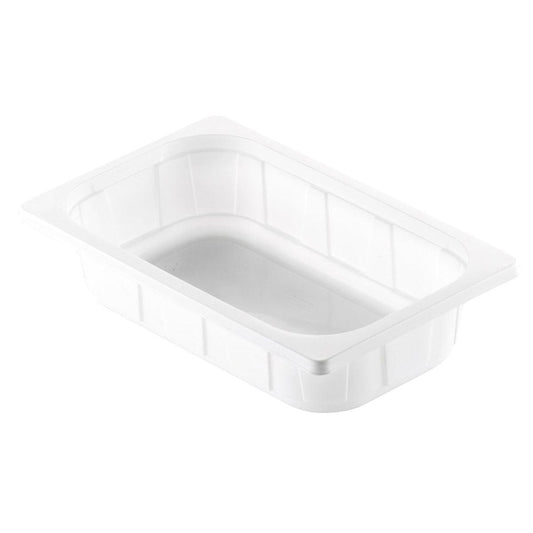
PP shell 1/4 gn white pp
Regular price From ¥13,691 JPYSale price From ¥13,691 JPY Regular priceUnit price per¥13,691 JPY -

 Vendor:Duni GmbH
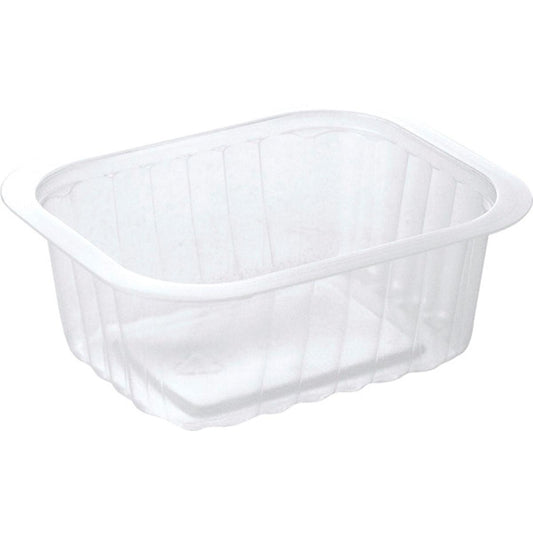
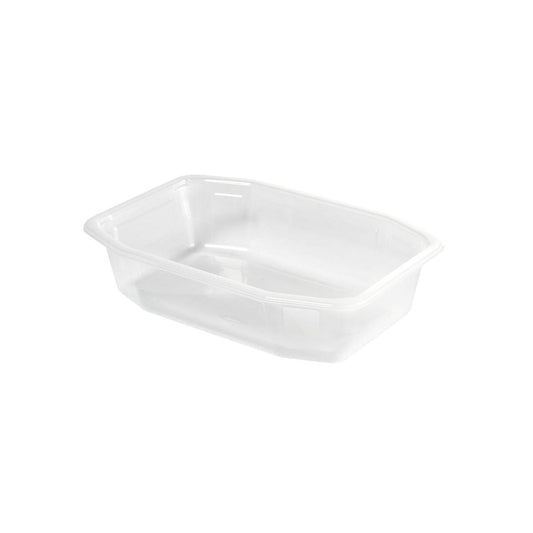
PP bowl transparent PP 138x114
Regular price From ¥11,005 JPYSale price From ¥11,005 JPY Regular priceUnit price per¥11,005 JPY -

 Vendor:Duni GmbH
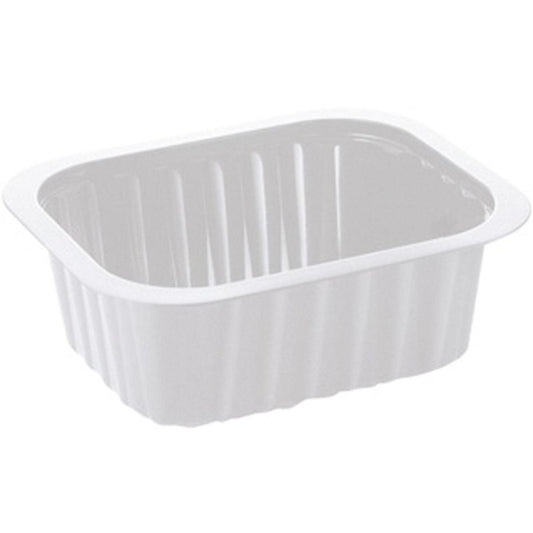
PP bowl white PP 138x114
Regular price From ¥11,005 JPYSale price From ¥11,005 JPY Regular priceUnit price per¥11,005 JPY -

 Vendor:Duni GmbH
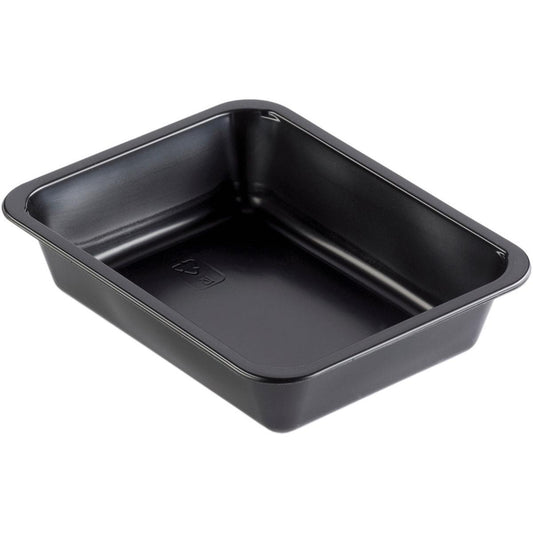
PP bowl black PP 138x114
Regular price From ¥11,102 JPYSale price From ¥11,102 JPY Regular priceUnit price per¥11,102 JPY -

 Vendor:Duni GmbH
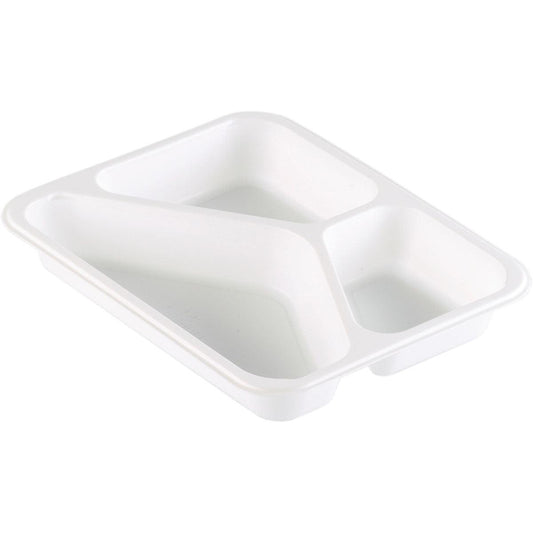
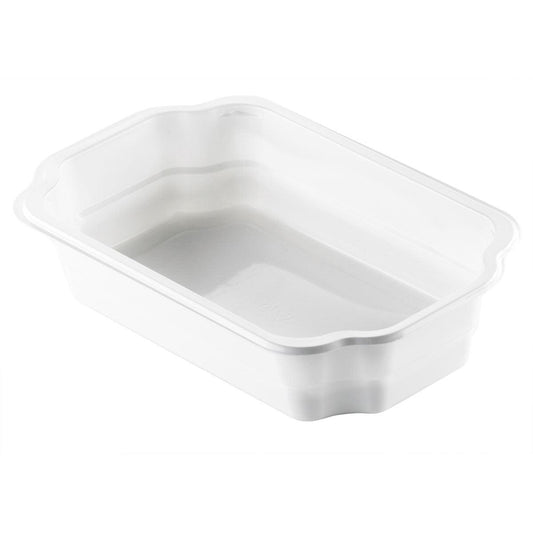
PP shell Caterline 3 White PP 227x178
Regular price From ¥12,718 JPYSale price From ¥12,718 JPY Regular priceUnit price per¥12,718 JPY -

 Vendor:Duni GmbH
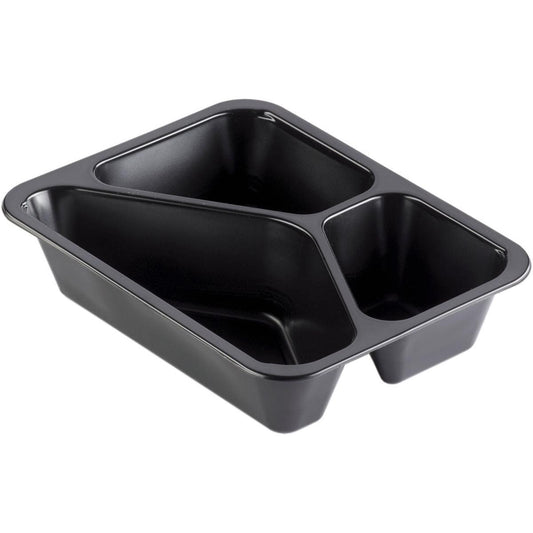
PP shell Caterline 3 Black PP 227x178
Regular price From ¥10,731 JPYSale price From ¥10,731 JPY Regular priceUnit price per¥10,731 JPY -

 Vendor:Duni GmbH
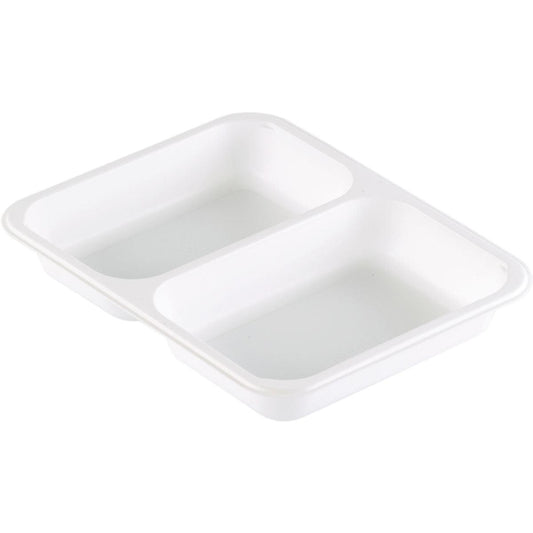
PP shell Caterline 2 White PP 227x178
Regular price ¥12,813 JPYSale price ¥12,813 JPY Regular priceUnit price per¥12,813 JPY -

 Vendor:Duni GmbH
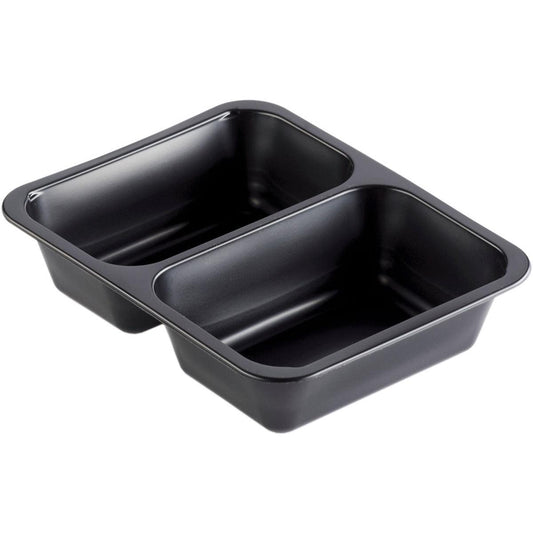
PP shell Caterline 2 Black PP 227x178
Regular price From ¥12,718 JPYSale price From ¥12,718 JPY Regular priceUnit price per¥12,718 JPY -

 Vendor:Duni GmbH
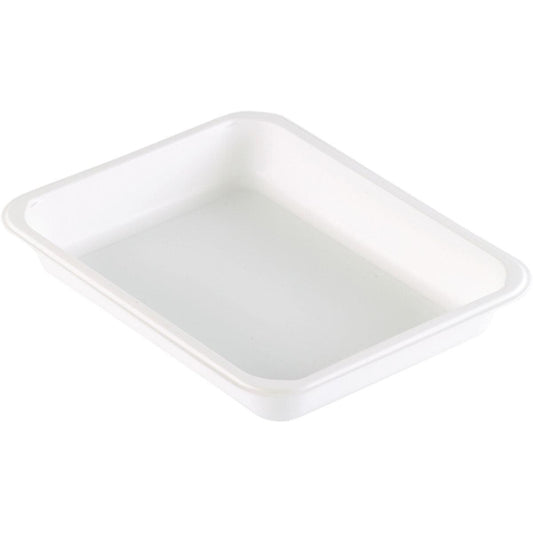
PP shell Caterline 1 White PP 227x178
Regular price ¥12,813 JPYSale price ¥12,813 JPY Regular priceUnit price per¥12,813 JPY -

 Vendor:Duni GmbH
PP shell Caterline 1 Black PP 227x178
Regular price ¥12,718 JPYSale price ¥12,718 JPY Regular priceUnit price per¥12,718 JPY -

 Vendor:Duni GmbH
PP shell HMR Transparent PP 215x148
Regular price From ¥18,394 JPYSale price From ¥18,394 JPY Regular priceUnit price per¥18,394 JPY -

 Vendor:Duni GmbH
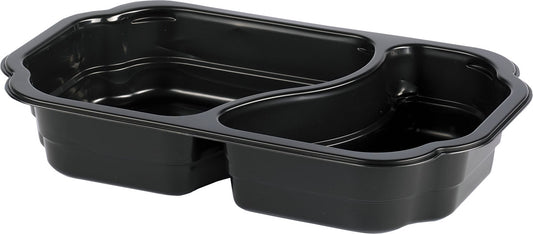
PP shell take-away 2 black pp/min
Regular price From ¥20,510 JPYSale price From ¥20,510 JPY Regular priceUnit price per¥20,510 JPY -

 Vendor:Duni GmbH
PP shell Take-Away Schwarz PP 250x159
Regular price From ¥18,823 JPYSale price From ¥18,823 JPY Regular priceUnit price per¥18,823 JPY -

 Vendor:Duni GmbH
PP shell Take-Away white PP 250x159
Regular price From ¥18,823 JPYSale price From ¥18,823 JPY Regular priceUnit price per¥18,823 JPY -

 Vendor:Duni GmbH
PP shell Take-away black PP/min
Regular price From ¥20,703 JPYSale price From ¥20,703 JPY Regular priceUnit price per¥20,703 JPY


























Other Categories


Food Packaging for Restaurants, Takeout, and Off-Premises Sales
Food packaging is needed wherever food needs to be served, transported, or stored safely, hygienically, and conveniently. It is used in restaurants, snack bars, bakeries, butcher shops, cafeterias, food trucks, delivery services, and catering. Whether it’s hot dishes, soups, snacks, desserts, or prepared meals—the right packaging supports a smooth workflow and ensures that food can be portioned and protected appropriately for each specific use
. To-go packaging plays a particularly important role in the out-of-home food service sector. Customers expect packaging that is easy to handle, complements the food, and makes transport as straightforward as possible. For businesses, it’s also important that packaging is easily stackable, quickly accessible, and selected to match the serving method. This allows work processes to be organized efficiently without the packaging causing unnecessary delays in daily operations.
Features and Benefits of Food Packaging
Food packaging is designed to hold and protect food and facilitate transport. Depending on the design, it supports hygienic serving, clean portioning, and organized storage in the work area. For professional establishments, it is also important that packaging fits reliably into daily operations and is easy to handle.
Typical advantages include:
- hygienic serving of food
- convenient portioning
- easy transport
- clean presentation
- good stackability
- Quick access during daily work
- Suitable for various types of food
In daily use, food packaging helps ensure meals are served in an organized manner and simplifies workflows at the counter, in the kitchen, or at the serving station. Especially during peak customer traffic, it makes sense to have the right packaging on hand for each type of food and portion size.
Which food packaging is best suited for which application?
Sturdy trays are particularly well-suited for hot foods, prepared meals, or dishes with side dishes. The Starpak 25 trays, made of aluminum with a PP-coated insert lid, are a suitable choice when food needs to be safely portioned and served or transported with a lid. They are ideal for dishes where stability and a practical lid are priorities.
Cup solutions are ideal for soups, stews, smaller hot dishes, or more liquid-based dishes. The Starpak round cardboard soup cup (25-pack) is well-suited for establishments that offer soups or smaller portions for immediate consumption or takeout. The round shape makes serving easier, while the portion size is suitable for smaller dishes or side dishes.
For desserts, ice cream, small sweet treats, or sample portions Cardboard cups are a great option. The Starpak round cardboard ice cream cup can be used for ice cream, various desserts, or small snacks, and is especially convenient when you need to quickly prepare or serve many portions.
What should you look for when buying food packaging?
When purchasing food packaging, the specific intended use should be considered first. Different requirements apply to hot foods than to cold snacks, desserts, or liquid foods. Other important factors include size, capacity, stability, and whether a lid or cover is needed.
The material also plays a role. Cardboard is often suitable for light meals, desserts, or takeout items, while aluminum trays can be used for certain hot dishes or prepared meals. For foods containing liquids, sauces, or fats, special care should be taken to ensure that the packaging is suitable for the specific contents.
For businesses with regular takeout sales, the packaging unit size is also relevant. Larger units help with better inventory planning and prevent bottlenecks in day-to-day operations. In catering, it also makes sense to coordinate different types of packaging so that main dishes, side dishes, and desserts can be served in a consistent and practical manner.
Meal boxes, soup bowls, or ice cream sundaes—which packaging is best for what?
Meal boxes are particularly suitable for complete meals, snacks, or dishes with multiple components. They’re practical when dishes need to be packed compactly and handed out immediately. Depending on the design, they can be used for light meals, takeout menus, or pre-prepared portions.
Soup bowls and soup cups are designed for liquid or semi-liquid foods. They’re ideal for soups, stews, curries, or smaller hot dishes where a tall, round shape is advantageous. It’s especially important here to ensure the correct filling capacity and a suitable lid when transporting the food.
Aluminum trays are frequently used for hot foods, prepared meals, or portions that need to be packaged securely. They are ideal when food needs to be safely served and covered in a tray. Ice cream cups, on the other hand, are more suitable for cold foods, desserts, ice cream, or small portions. They are easy to handle, quick to fill, and particularly convenient for immediate consumption.
Usage and Guidelines for Food Packaging
Food packaging should be stored in a dry, clean, and protected area. Before use, ensure that the packaging is suitable for the food and its intended use. Hot, cold, liquid, or fatty foods place different demands on the material and stability of the packaging.
In daily operations, it is recommended to sort packaging by size and intended use so that it is readily available. This allows employees to select the appropriate packaging more quickly and serve food efficiently. Lids, wraps, or liners should be stored with their corresponding packaging so they are immediately available when needed.
After use, packaging should
be disposed of in accordance
with local Dispose of according to specifications. Follow the manufacturer’s instructions regarding use, temperature resistance, or material suitability, if provided on the product.
Complementary Products for Food Packaging
Complementary products such as tableware, paper plates, paper cups, and cutlery provide a practical complement to food service. This ensures a complete set of supplies for sales, service, and consumption—especially for takeout, events, and catering assignments.


