
-
 Vendor:Duni GmbH
Bagass Box Shield 1200 ml Braun Bagasse 426x304x57 | Pack (50 pieces)
Regular price ¥6,689 JPYSale price ¥6,689 JPY Regular priceUnit price per¥6,689 JPY -
 Vendor:Duni GmbH
Bagass Box Shield 900 ml Braun Bagasse 426x304x44 | Pack (50 pieces)
Regular price ¥6,515 JPYSale price ¥6,515 JPY Regular priceUnit price per¥6,515 JPY -
 Vendor:Duni GmbH
Cube Bowl 1200 ML - Uncoated Braun Bagasse 214x159x70 | Pack (40 pieces)
Regular price ¥3,565 JPYSale price ¥3,565 JPY Regular priceUnit price per¥3,565 JPY -
 Vendor:Duni GmbH
Cube Bowl 900 ML - Uncoated Braun Bagasse 214x159x54 | Pack (40 pieces)
Regular price ¥3,055 JPYSale price ¥3,055 JPY Regular priceUnit price per¥3,055 JPY -
 Vendor:Duni GmbH
Octabasse bowl 1000 ml - Coated Braun Bagasse Pbat/Pla -Coated 224x24x42 | Pack (50 pieces)
Regular price ¥3,762 JPYSale price ¥3,762 JPY Regular priceUnit price per¥3,762 JPY -
 Vendor:Duni GmbH
Octabasse bowl 900 ml - Coated Braun Bagasse Pbat/Pla -Coated 183x183x60 | Pack (50 pieces)
Regular price ¥3,249 JPYSale price ¥3,249 JPY Regular priceUnit price per¥3,249 JPY -
 Vendor:Duni GmbH
Octabasse bowl 650 ml - Coated Braun Bagasse Pbat/Pla -Coated 183x183x42 | Pack (50 pieces)
Regular price ¥2,941 JPYSale price ¥2,941 JPY Regular priceUnit price per¥2,941 JPY -
 Vendor:Duni GmbH
Octabasse bowl 400 ml - Coated Braun Bagasse Pbat/Pla -Coated 152x152x38 | Pack (50 pieces)
Regular price ¥1,994 JPYSale price ¥1,994 JPY Regular priceUnit price per¥1,994 JPY -
 Vendor:Duni GmbH
Octabasse bowl 1000 ml - uncoated brown bagasse 224x224x42 | Pack (50 pieces)
Regular price ¥3,481 JPYSale price ¥3,481 JPY Regular priceUnit price per¥3,481 JPY -
 Vendor:Duni GmbH
Octabasse bowl 900 ml - uncoated brown bagasse 183x183x60 | Pack (50 pieces)
Regular price ¥2,832 JPYSale price ¥2,832 JPY Regular priceUnit price per¥2,832 JPY -
 Vendor:Duni GmbH
Octabasse bowl 400 ml - uncotated brown bagasse 152x152x38 | Pack (50 pieces)
Regular price ¥1,770 JPYSale price ¥1,770 JPY Regular priceUnit price per¥1,770 JPY -
 Vendor:PAPSTAR GmbH
PAPSTAR Menu boxes sugarcane "pure" 3-compartment, 24x24 cm | Carton (300 pieces)
Regular price ¥23,667 JPYSale price ¥23,667 JPY Regular priceUnit price per¥23,667 JPY -

 Vendor:PAPSTAR GmbH
PAPSTAR Menu boxes sugarcane "pure", undivided, 8x25.5 cm | Carton (300 pieces)
Regular price ¥24,034 JPYSale price ¥24,034 JPY Regular priceUnit price per¥24,034 JPY -

 Vendor:Starpak
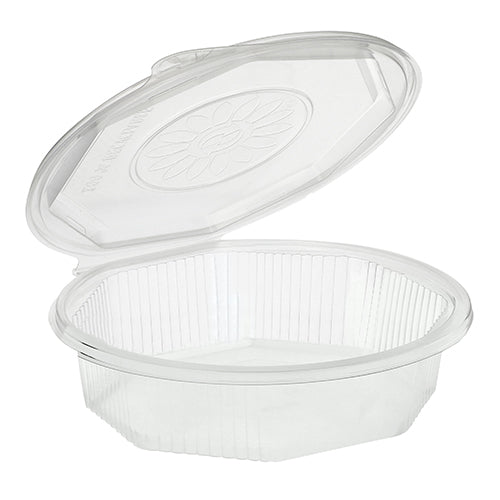
Starpak 25 menu boxes with hinged lids, PP Transparent 8 -Corch - 5.9 cm x 21.5 cm x 21.5 cm
Regular price From ¥2,651 JPYSale price From ¥2,651 JPY Regular priceUnit price per¥2,651 JPY -

 Vendor:Starpak
Starpak 25 bowls, aluminum + cathedral lid around 0.77 l Ø 18.2 cm · 8 cm | Shrink foil (25 pieces)
Regular price ¥2,830 JPYSale price ¥2,830 JPY Regular priceUnit price per¥2,830 JPY




Other Categories


Catering for Events, Food Service, and Flexible Food Service
Catering encompasses products used in the serving, presentation, packaging, and consumption of food and beverages. Whether at events, food trucks, buffets, corporate events, club parties, mobile food stands, or in the restaurant industry—the right catering supplies help ensure that processes run smoothly, are well-organized, and can be easily planned.
The focus is on products that conveniently provide, transport, or serve food and beverages. These include, among other things, cups, food packaging, snack packaging, straws, and decorative items. Depending on the application, factors such as material, size, durability, capacity, packaging unit, and ease of use are important. High-quality catering products not only facilitate service but also ensure a pleasant experience for guests, customers, or employees.
Features and Benefits of Catering Supplies
Catering products are designed to provide food and beverages quickly, hygienically, and in an organized manner in a variety of situations. They are particularly well-suited for settings where many portions need to be served in a short amount of time or where products must be prepared, transported, and distributed on-site.
A sensible combination of functionality and practicality is key. Cups should be suited to the type of beverage, packaging must be sufficiently sturdy, and decorative items should enhance the presentation without complicating the process. Especially at events or for off-premises offerings, it’s important that the products used align with the concept, the food, and the intended use.
Typical advantages of catering supplies include:
- easy serving of food and beverages
- practical use at events
- predictable packaging units
- appropriate portion sizes
- Support for mobile operations
- Neat presentation at the buffet
- Versatile product groups
In everyday operations, the right catering products make preparation and service easier. They help keep work areas organized and ensure that food and beverages are presented in a way that’s convenient for guests.
Which catering products are best suited for which applications?
For snacks, french fries, finger foods, or small dishes, packaging that’s easy to handle and facilitates immediate consumption is ideal. The PAPSTAR “pure” French fry cones with a cardboard dip corner are a good example of this. They hold a small portion, and the dip corner allows for a convenient combination of snack and sauce. This type of packaging is well-suited for food stands, food trucks, events, or mobile service.
For beverages, different cups are needed depending on the occasion. The Starpak reusable plastic cup for caipirinha, made of PP with a 0.3-liter capacity, is suitable for cold drinks, cocktails, or event areas where sturdy cups are required. Reusable cups can be particularly useful where return or washing systems are in place and the goal is to reduce single-use materials.
Straws may be appropriate for long drinks, cocktails, smoothies, or special beverage services. The PAPSTAR Maxi paper straws, with a 6 mm diameter and 80 cm length, are an option for areas where paper straws are to be used. Color-coded straws can also help make drinks more visually appealing or make it easier to distinguish between different types of beverages.
What should you look for when purchasing catering supplies?
When purchasing catering supplies, the intended use should be clear from the start. Mobile food service has different requirements than a buffet, a beverage stand, or decorative table settings. The key factor is whether the products are needed for food, beverages, packaging, presentation, or decoration.
Material and durability also play an important role. Cardboard is often suitable for dry foods or items served for a short period, while plastic products can be more durable depending on the design. For reusable products, you should check whether they are compatible with your existing return, cleaning, or dishwashing system. For paper products, it’s important that they are suitable for the intended duration of use and the type of food or beverage.
The size and capacity should match the portion. Packaging that is too small is impractical, while packaging that is too large can use up unnecessary material and make serving more difficult. Packaging units are also relevant: smaller units are often sufficient for occasional events, while restaurants, catering companies, or larger events can better plan for larger quantities.
Tableware, food packaging, and decorations—what are the differences?
In catering, tableware is primarily used for direct consumption or serving. This includes cups, plates, bowls, and similar products. The selection depends on the food or beverage, portion size, durability, and desired lifespan. Reusable cups, for example, are a good option if repeated use is logistically feasible.
Food packaging is used to portion out food, transport it, or make it available for immediate consumption. This includes snack bags, boxes, bowls, or packaging for takeout orders. Here, functionality, size, and safe handling are the top priorities. A cone-shaped bag for French fries with a dip corner serves a different purpose than a sealed package designed for transport.
Decorative elements enhance the visual presentation. They are designed less for transport or consumption and more for creating atmosphere, table settings, and an appealing product display. Especially at buffets, celebrations, or seasonal promotions, decorative elements can help make the catering area appear more organized and inviting.
Usage and Guidelines for Catering Products
Catering products should be stored in a dry, clean, and protected environment. Paper and cardboard products, in particular, should be kept away from moisture so they retain their shape and stability. Products that come into contact with food should remain hygienically packaged or protected until use.
When using these products, it is important to select the appropriate ones for the specific food or beverage. Hot, greasy, liquid, or particularly heavy foods place different demands on packaging and tableware. Manufacturer’s instructions regarding materials, capacity, and usage should therefore be followed.
After use, disposable products should be disposed of in accordance with local regulations. Reusable products must be cleaned after use and stored in a manner suitable for their next use. This ensures that catering operations remain predictable and that the products can be effectively integrated into daily workflows.
Complementary Products for Catering
These complementary product categories are particularly useful when preparing and serving food and beverages, or when cleaning work surfaces, equipment, and serving areas after events. This allows catering supplies to be easily combined with products that support hygiene, organization, and clean operations in daily use.


